

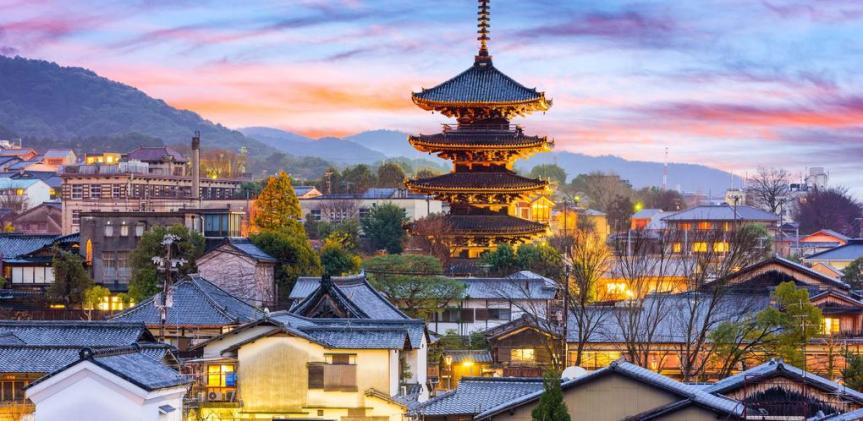
Kyoto, Japan’s cultural heart, is a city steeped in history and brimming with charm. Once the imperial capital, it is a treasure trove of ancient temples, beautiful gardens, and traditional arts that beckon travelers from around the globe. In this post, we will explore the unique aspects of Kyoto that make it an unforgettable destination, delving into its rich heritage, stunning landscapes, cultural practices, and culinary delights.
A Historical Tapestry
Kyoto’s history stretches back over a millennium. Established as the capital in 794 AD, the city flourished during the Heian Period, a time characterized by artistic and cultural advancements. This legacy is evident in the city’s architecture and many preserved sites. The Golden Pavilion, or Kinkaku-ji, is perhaps one of the most iconic landmarks. This Zen Buddhist temple, adorned with gold leaf, is set against a backdrop of serene gardens and a reflective pond, embodying the beauty of traditional Japanese design.
Another significant site is the Fushimi Inari Taisha, dedicated to Inari, the Shinto god of rice. This shrine is famous for its thousands of bright red torii gates that meander through the forested slopes of Mount Inari. Each gate is donated by individuals or businesses, and the inscriptions provide a glimpse into the local economy and culture.
Spiritual Sanctuaries: Temples and Shrines
Kyoto is home to an astounding number of temples and shrines, with over 1,600 temples and 400 shrines scattered throughout the city. Each site offers its own unique atmosphere and spiritual significance. Kiyomizu-dera, a UNESCO World Heritage Site, stands on a hillside and offers breathtaking views of the cherry blossoms in spring and the vibrant autumn leaves. The wooden stage of Kiyomizu-dera, which juts out over the hillside, is an engineering marvel and a favorite spot for visitors seeking a panoramic view of the city.
Ryoan-ji, known for its famous rock garden, presents a minimalist aesthetic that encourages contemplation and meditation. The carefully arranged stones invite visitors to reflect, embodying the principles of Zen Buddhism.
For those seeking tranquility, the Heian Shrine, with its expansive gardens, offers a peaceful retreat. The gardens are a beautiful blend of traditional Japanese landscaping and seasonal blooms, making it an ideal spot for peaceful strolls and moments of introspection.
Nature’s Splendor: Gardens and Scenery
Kyoto’s natural beauty complements its historical sites. The Arashiyama Bamboo Grove is a must-visit, where towering bamboo stalks create a magical atmosphere. As one walks through the winding paths, the gentle rustling of the bamboo and dappled sunlight provide a soothing experience that transports visitors into another world.
Another picturesque location is the Philosopher’s Path, a tranquil canal-side walk lined with cherry trees. This scenic route connects several temples and is especially stunning during cherry blossom season. As the petals fall like snowflakes, the path transforms into a delicate carpet of pink and white, enchanting all who traverse it.
In autumn, the vibrant foliage paints the city in shades of red, orange, and yellow. Many temples, such as Tofuku-ji, host special evening illuminations that highlight the stunning contrast between the colorful leaves and ancient architecture, creating a magical ambiance.
Cultural Richness: Festivals and Traditions
Kyoto’s cultural fabric is woven with numerous festivals that celebrate its heritage throughout the year. One of the most prominent is the Gion Matsuri, held in July. This festival features elaborate floats, called yamaboko, that are paraded through the streets, showcasing the artistry and craftsmanship of the local community. Participants wear traditional yukatas, enhancing the festival’s vibrant atmosphere.
Another integral aspect of Kyoto’s culture is the traditional tea ceremony, or chanoyu. This ritualistic practice emphasizes harmony, respect, purity, and tranquility. Visitors can participate in tea ceremonies at various tea houses, where the meticulous preparation of matcha tea becomes a meditative experience that connects them to Japanese culture.
Culinary Delights: A Gastronomic Exploration
The culinary landscape of Kyoto is as rich and varied as its history. Known for kaiseki, a multi-course dining experience, Kyoto emphasizes seasonal ingredients and artistic presentation. Each dish reflects the time of year and highlights the chef’s skill in balancing flavors and aesthetics.
For a more casual dining experience, one must try yudofu, a simple yet elegant dish made from soft tofu simmered in a light broth. This dish, often enjoyed in traditional inns, allows the natural flavors of the ingredients to shine, offering a true taste of Kyoto’s culinary philosophy.
Exploring Nishiki Market is a feast for the senses. This bustling market is filled with stalls offering local delicacies, from tsukemono (pickled vegetables) to matcha-flavored sweets. Sampling the various snacks while mingling with locals creates an immersive cultural experience.
Embracing Kyoto’s Timelessness
Kyoto invites visitors to step into a world where ancient traditions are cherished, and natural beauty abounds. Its temples and shrines whisper tales of the past, while the vibrant cultural practices and exquisite cuisine engage the senses. A visit to Kyoto is not merely a trip; it is an invitation to immerse oneself in the essence of Japan’s rich heritage and timeless charm. Whether wandering through historic streets, meditating in a tranquil garden, or savoring a delightful meal, Kyoto promises an experience that lingers long after the visit ends.

