

Introduction: Rediscovering Simplicity in a Complex World
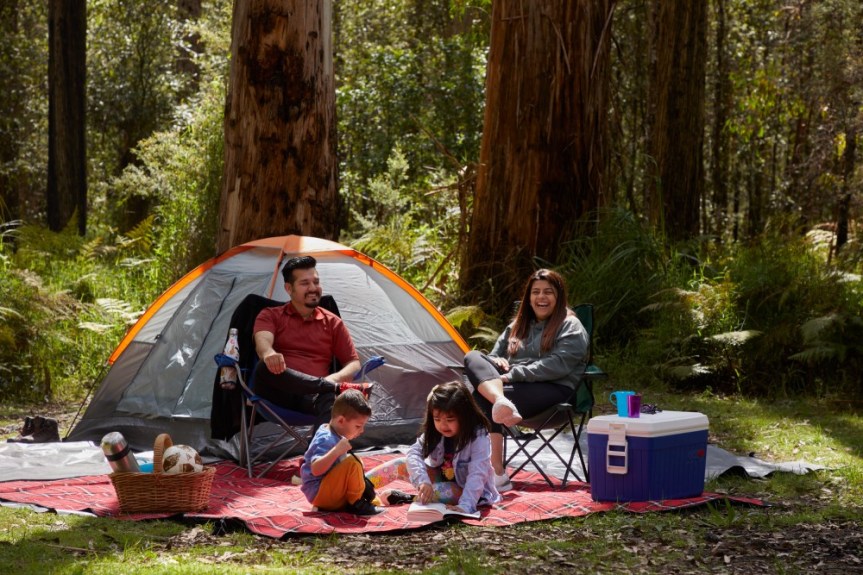
In a world dominated by rapid technological advances, constant digital notifications, and relentless schedules, the idea of camping offers a powerful and much-needed escape. Camping is not merely a recreational activity; it is a return to our roots, a temporary yet profound withdrawal from the artificiality of urban life. For many, it is a deeply personal journey—a moment to connect with nature, reflect in solitude, or bond with loved ones in an unfiltered setting. Whether nestled beneath towering pines, perched beside a misty lake, or set in a sun-drenched desert, camping presents a canvas for simplicity, discovery, and introspection.
The Evolution of Camping: From Survival to Leisure
Historically, camping was not a leisure activity but a necessity for hunters, explorers, and nomads. It wasn’t until the late 19th and early 20th centuries that it began evolving into the recreational pastime we know today. With the rise of national parks and the conservation movement, camping gained popularity among families and adventurers seeking a break from industrial cityscapes. Today, camping has expanded into various forms—traditional tent camping, car camping, glamping (luxury camping), and RV excursions—each offering unique experiences while staying true to the central theme of immersion in the natural world.
Why Camping Endures: The Deep Appeal of the Outdoors
1. Reconnection with Nature
At its heart, camping is about returning to the natural environment. The chirping of crickets, the rustling of leaves, and the smell of a campfire at dusk provide a sensory feast that urban settings rarely offer. This direct exposure to the elements can recalibrate our minds and bodies, reducing stress and enhancing our sense of well-being.
-
Sunlight increases serotonin levels, boosting mood.
-
Forest air has been shown to lower cortisol and improve immune function.
-
Natural silence fosters mindfulness and deep reflection.
2. Simplicity and Minimalism
Modern life often involves an overwhelming amount of material possessions and digital distractions. Camping pares life down to the essentials. When your home is a tent and your kitchen fits into a backpack, you are forced to prioritize what truly matters. This stripped-down existence can be incredibly liberating, reminding us that happiness doesn’t require abundance but presence and intention.
3. Strengthened Relationships
Whether with friends, family, or a partner, camping encourages meaningful interaction. Without the barrier of screens or rigid schedules, conversations flow more naturally. Shared responsibilities—pitching a tent, collecting firewood, cooking over a flame—build trust and foster cooperation.
-
Group hikes encourage teamwork.
-
Campfire storytelling revives an ancient form of bonding.
-
Meals cooked and eaten outdoors become memorable rituals.
4. A Learning Opportunity
Camping also offers an opportunity to develop practical life skills often overlooked in modern society. Navigating using a compass, identifying edible plants, building a fire without modern tools, or simply managing without Wi-Fi all cultivate resilience and self-reliance. These lessons not only serve immediate needs but contribute to long-term confidence and adaptability.
Planning the Perfect Camping Trip: A Blend of Preparation and Flexibility
1. Choose the Right Location
Not all camping experiences are created equal. Some may crave the remote silence of backcountry wilderness, while others prefer the convenience of established campgrounds. Researching the terrain, climate, and local regulations ensures the destination aligns with your expectations and skill level.
2. Pack Smart, Not Heavy
The success of a camping trip often hinges on what you bring—and what you don’t. Essential items should be chosen carefully to balance necessity and weight.
-
Shelter: Tent, tarp, or hammock
-
Sleep system: Sleeping bag, mat, blanket
-
Cooking: Stove, fuel, utensils, food storage
-
Safety: First-aid kit, flashlight, map, water purification
-
Clothing: Weather-appropriate layers and sturdy footwear
3. Respect Nature and Local Guidelines
Leave No Trace principles are essential to preserving the integrity of outdoor spaces. Campers should always:
-
Pack out all trash, including biodegradable waste
-
Avoid disturbing wildlife
-
Stay on established trails
-
Use designated fire pits or bring portable stoves
4. Embrace Flexibility and Imperfection
Camping is as much about adaptability as it is about escape. Weather may turn, gear may malfunction, or trails may close. The best moments often arise from these unpredictable turns—a rainbow after a storm, an unplanned stargazing night, or a new friendship formed while sheltering from the rain.
The Spiritual Dimension: Camping as a Meditative Act
Beyond the tangible benefits, many campers find a deeper spiritual significance in their outdoor experiences. The natural world, untouched by human ego, has a quiet power to humble and inspire. Watching the sunrise over a fog-laced mountain or listening to the rhythm of waves against the shore can bring a sense of peace difficult to find elsewhere. In these moments, one is reminded of the grandeur of existence and the small yet significant place we occupy within it.
Camping in the Modern Era: Challenges and Opportunities
While camping remains deeply rewarding, it is not without modern challenges. Overcrowding in popular areas, environmental degradation, and the commercialization of natural experiences pose ongoing concerns. However, these issues also spotlight opportunities for education, advocacy, and innovation. The rise of eco-friendly gear, digital platforms for responsible travel planning, and increasing awareness about sustainability all point to a promising future for the camping ethos.
Conclusion: A Timeless Tradition Worth Preserving
Camping is more than a temporary break from routine—it is a timeless act of rebalancing. In choosing to sleep beneath the stars and rise with the sun, we tap into a lineage of explorers, seekers, and lovers of the wild. It is an invitation to slow down, to see clearly, and to remember that the most profound joys often lie not in what we own, but in the experiences we choose to seek. As we continue to navigate the complexities of modern life, the call of the wild will remain a steadfast refuge—for those who listen.

