

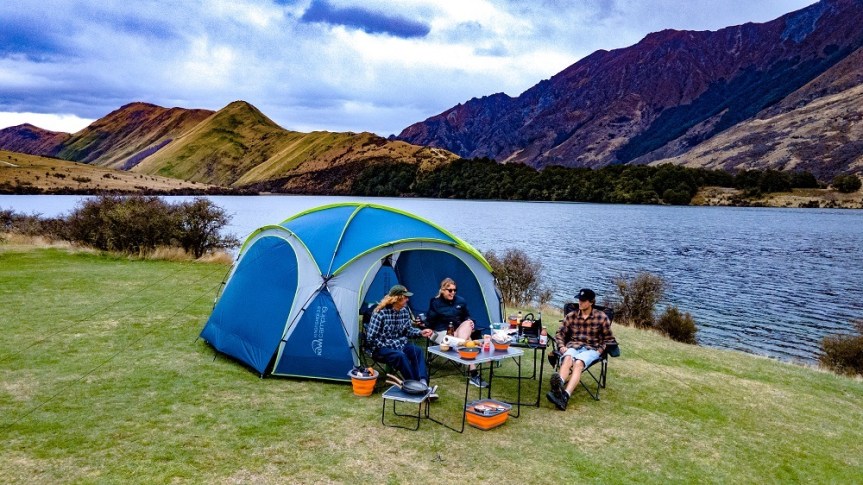
Camping is more than a simple getaway; it’s an opportunity to immerse oneself in nature, unwind from the daily grind, and cultivate unforgettable experiences. Whether you are a seasoned camper or a novice, understanding the essential elements of camping can enhance your adventure. This comprehensive guide covers preparation, gear selection, activities, safety, and environmental respect, ensuring that your camping experience is enjoyable and memorable.
Preparing for Your Camping Adventure
Preparation is the cornerstone of a successful camping trip. Before you pack your bags, it’s crucial to conduct thorough research on your chosen destination. Consider the climate, terrain, and local wildlife, as these factors will guide your packing list and activities.
Selecting the Right Campsite
Choosing the right campsite is vital. Look for locations that suit your desired experience, whether it’s a peaceful lakeside retreat, a rugged mountain site, or a beach campsite. Verify the availability of amenities such as water sources, restroom facilities, and fire pits. Additionally, check any regulations regarding campfires and wildlife.
Essential Camping Gear
Equipping yourself with the right gear can significantly influence your experience. Here’s a detailed breakdown of essential items to consider:
Shelter: The type of shelter you choose should reflect the nature of your camping trip. A lightweight backpacking tent is ideal for hiking, while a larger family tent is better suited for car camping. If you prefer a minimalist approach, consider a hammock with a rainfly.
Sleeping Gear: Comfort during the night is crucial. Select a sleeping bag appropriate for the season and temperature, and consider bringing a sleeping pad or air mattress for added comfort and insulation.
Cooking Equipment: Preparing meals outdoors can be a rewarding experience. Bring a portable stove, camp cookware, and utensils. Don’t overlook the importance of food storage; a cooler can keep perishable items fresh, while bear-resistant containers are essential in areas with wildlife.
Clothing: Dressing appropriately for varying weather conditions is key. Layer your clothing to adapt to changing temperatures. Moisture-wicking base layers, insulating mid-layers, and waterproof outer layers will keep you comfortable and dry. Sturdy, supportive footwear is a must for navigating rugged terrain.
Safety and First Aid: Accidents can happen, so a well-stocked first aid kit is essential. Include items such as bandages, antiseptic wipes, and any personal medications. A multi-tool, flashlight, and emergency whistle can also be invaluable in unexpected situations.
Engaging with Nature
Once you’ve set up camp, it’s time to fully embrace your surroundings. Nature offers countless opportunities for exploration and connection.
Hiking
Hiking is perhaps the most cherished outdoor activity. Whether it’s a short stroll or an all-day trek, hiking allows you to appreciate the beauty of nature up close. Plan your hikes based on skill level and the time you have available. Always carry a map or GPS device, and inform someone of your itinerary for safety.
Wildlife Watching
Observing wildlife adds a thrilling element to your camping experience. Bring binoculars to get a closer look at birds and other animals. Remember to keep a safe distance and avoid feeding wildlife, as this can disrupt their natural behaviors and lead to dangerous encounters.
Campfire Activities
Gathering around a campfire is a cherished camping tradition. It creates an inviting atmosphere for storytelling, roasting marshmallows, and enjoying each other’s company. When building a fire, follow local regulations and best practices to prevent wildfires. Always have a bucket of water or sand handy, and ensure the fire is completely extinguished before leaving the site.
Prioritizing Safety
While camping is a chance to relax and enjoy nature, safety should never be overlooked. Here are key practices to keep in mind:
Understanding Local Risks
Familiarize yourself with the local flora and fauna. Some plants, like poison ivy, can cause skin irritations, while certain mushrooms can be toxic. Learning about the wildlife in the area helps prepare you for encounters, allowing you to enjoy nature safely.
Fire Safety Protocols
Campfire safety is paramount. Always choose a designated fire pit and keep flammable materials at a safe distance. When extinguishing your fire, ensure it is completely doused and cool to the touch. Following these practices minimizes the risk of wildfires and keeps the environment safe.
Adhering to Leave No Trace Principles
Responsible camping means respecting the environment. Following the Leave No Trace principles is essential for preserving nature’s beauty. This includes packing out all trash, staying on designated trails, and minimizing your impact on the ecosystem. By practicing these principles, you contribute to the sustainability of natural areas for future generations.
Fostering Connections with Fellow Campers
Camping can also be a social experience. Whether you’re with friends or fellow campers, sharing your experiences can enhance your adventure. Engage in communal meals, group hikes, or evening games around the campfire. These interactions foster camaraderie and create lasting memories.
Camping invites you to disconnect from technology and reconnect with nature and those around you. By preparing thoughtfully, engaging with your surroundings, prioritizing safety, and respecting the environment, you can craft a truly enriching experience in the great outdoors. So gather your gear, invite your friends, and set off on your next adventure—nature is waiting to welcome you!

