

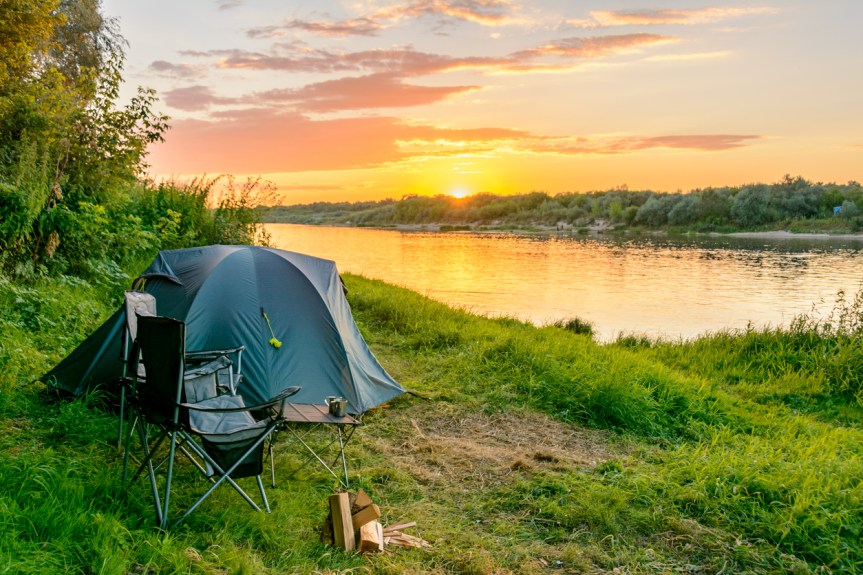
Camping is more than just a recreational activity; it’s a chance to escape the hustle and bustle of everyday life and immerse oneself in the great outdoors. This age-old practice has evolved into a beloved pastime for many, offering a range of experiences from tranquil retreats to thrilling adventures. In this guide, we will explore the various facets of camping, from preparation and gear selection to enjoying the wilderness and practicing safety.
Preparing for Your Camping Adventure
The first step in any successful camping trip is thorough preparation. Understanding the environment where you’ll be camping is crucial. Research the location, including the weather, terrain, and local wildlife. Knowing whether you’ll be in a lush forest, a rugged mountain area, or a sandy beach will influence your gear choices and activities.
Choosing the Right Gear
Selecting the right equipment can make or break your camping experience. Here’s a breakdown of essential gear you should consider:
Shelter: Tents are the most common choice for camping, but there are various styles to consider. A lightweight backpacking tent is ideal for hiking trips, while a spacious family tent works best for car camping. Additionally, consider tarps or hammocks for more minimalist approaches.
Sleeping Arrangements: Comfort is key when it comes to sleep. Sleeping bags come in different temperature ratings, so select one that suits the season. Adding sleeping pads or air mattresses can provide extra cushioning and insulation from the cold ground.
Cooking Equipment: Meal preparation in the wild can be both enjoyable and rewarding. A portable stove or campfire grill, along with essential cooking utensils, will make meal prep easier. Don’t forget to pack non-perishable foods, snacks, and plenty of water.
Clothing: Layering is essential for camping, as temperatures can fluctuate. Opt for moisture-wicking base layers, insulating mid-layers, and waterproof outer layers. Durable footwear, such as hiking boots, will provide support and protection on various terrains.
Safety Gear: A well-stocked first aid kit is vital for any camping trip. Include items like band-aids, antiseptic wipes, and medications. Additionally, carrying a multi-tool, flashlight, and whistle can prove invaluable in emergencies.
Embracing Nature
Camping is a unique opportunity to connect with nature. Once you’ve set up your campsite, take time to explore the surroundings. Here are a few activities to enhance your outdoor experience:
Hiking
Hiking is perhaps the most popular camping activity. Whether you choose a leisurely nature walk or a challenging trail, hiking allows you to appreciate the beauty of the landscape. Be sure to carry a map or a GPS device, and inform someone of your plans before heading out.
Wildlife Observation
Observing wildlife can be one of the most rewarding aspects of camping. Bring binoculars for birdwatching or simply sit quietly and observe the natural behaviors of animals. Remember to maintain a safe distance and never feed wildlife, as it can disrupt their natural foraging habits.
Campfire Gatherings
There’s something magical about gathering around a campfire. It’s the perfect setting for sharing stories, roasting marshmallows, and enjoying the warmth of the flames. When building a campfire, ensure you’re following local regulations and safety practices to prevent wildfires. Always extinguish the fire completely before leaving.
Practicing Safety
Safety should always be a top priority while camping. Being well-prepared can help mitigate risks. Here are key safety practices to consider:
Understanding the Environment
Familiarize yourself with the local flora and fauna. Some plants, such as poison ivy, can cause skin reactions, while certain mushrooms are toxic. Learning about the wildlife in the area can also prepare you for potential encounters.
Fire Safety
Campfire safety cannot be overstated. Always choose a designated fire pit if available, and keep a bucket of water or sand nearby for emergencies. When it’s time to extinguish the fire, douse it thoroughly, ensuring that it’s cold to the touch before leaving.
Leave No Trace Principles
Responsible camping means respecting the environment. Follow the Leave No Trace principles: pack out what you pack in, stay on designated trails, and minimize your impact on the surroundings. This ensures that natural spaces remain pristine for future generations.
Connecting with Fellow Campers
Camping can be a social experience as well. Whether you’re joining friends or meeting fellow campers, sharing the experience can enhance your adventure. Engage in communal meals, group hikes, or even campfire games to build camaraderie and make lasting memories.
Camping offers a gateway to the wonders of the natural world, inviting you to disconnect from technology and reconnect with your surroundings. By preparing adequately, embracing the adventure, and prioritizing safety, you can create a fulfilling camping experience that enriches your love for nature. So gather your gear, invite your friends, and embark on your next camping escapade, ready to explore the great outdoors!

